
ReachInbox looks good on paper: cold email, warmup, sequencing, and a unified inbox in one platform.
But once you start scaling, the gaps become harder to ignore. Mailbox limits, inconsistent warmup, pricing jumps, and limited multichannel capabilities can quickly turn a low-cost tool into an expensive bottleneck.
I’ve looked at the 6 strongest ReachInbox alternatives for 2026 and compared them on the things that actually matter when you scale: mailbox capacity, deliverability, pricing, automation, and multichannel outreach.
Here’s where each one stands, and which platform I’d choose for different outbound setups.
Let’s get into it.
Here is the quick comparison table for readers who want the answer up front.
Now let me walk you through why so many outbound teams are actively looking for a ReachInbox competitor in the first place, because that context shapes what you should look for next.
I want to be fair to ReachInbox before I go into the alternatives. For a solo founder sending fifty emails a week from one mailbox, the tool does what it says on the tin. But once you scale into serious outbound volume, the same pain points keep surfacing in G2 reviews, Reddit threads, and buyer forums. Here are the seven biggest reasons teams are actively looking for a ReachInbox alternative right now.
If any of the above pain points sound like your week, keep reading, because the next section covers the six ReachInbox alternatives that fix these gaps directly.
Before I rank the six ReachInbox competitors, I want to be transparent about what I actually weighed when comparing them. This shapes why one tool sits at number one and another sits at number six.
The single-mailbox cap on the ReachInbox Starter plan is the number one reason teams look elsewhere, so I gave a lot of weight to whether an alternative offered truly unlimited mailboxes without hidden per-mailbox fees. Any ReachInbox alternative I recommend has to hold up when you scale past ten domains without your bill tripling.
ReachInbox has real pricing cliffs. I looked hard at whether each competitor offered flat, predictable pricing or whether the cost would balloon the second I added contacts or workspaces. A good ReachInbox alternative should scale with you, not against you.
The recurring "warmup silently stopped working" complaint about ReachInbox is a big deal, so I paid close attention to warmup pool size, reliability signals from users, and whether the tool offered domain health checks or placement testing alongside the warmup.
ReachInbox does not offer native LinkedIn automation, which is a real gap in 2026 when most B2B prospects respond faster on LinkedIn than in a cold email. I favored ReachInbox alternatives that let you run email and LinkedIn in the same sequence, without needing a third-party integration.
ReachInbox leans hard on Zapier for CRM connectivity, which adds friction and cost. I prioritized ReachInbox competitors with native HubSpot, Salesforce, and Pipedrive integrations, plus proper API access.
Replies are where deals get made or lost, so I looked at how each ReachInbox alternative handles reply routing, team assignment, and cross-channel visibility.
Now let me walk you through the six ReachInbox alternatives that stood out.
Here are the 6 ReachInbox competitors I recommend most often this year, ranked by how well they solve the specific frustrations that push teams away from ReachInbox in the first place.
Salesforge is the best ReachInbox alternative in 2026 because it delivers what ReachInbox actually promises. You get truly unlimited mailboxes on the $40 Pro plan, which kills the single-mailbox cap that pushes so many teams off ReachInbox in the first place.
You also get native LinkedIn automation, free unlimited warmup through the built-in Warmforge integration, a unified inbox called Primebox™ that pulls in replies from both email and LinkedIn, and flat pricing that does not cliff at $75 or $225 as your volume grows.
If ReachInbox left you feeling like the all-in-one promise was hollow, Salesforge is the ReachInbox competitor that actually holds up when you scale.
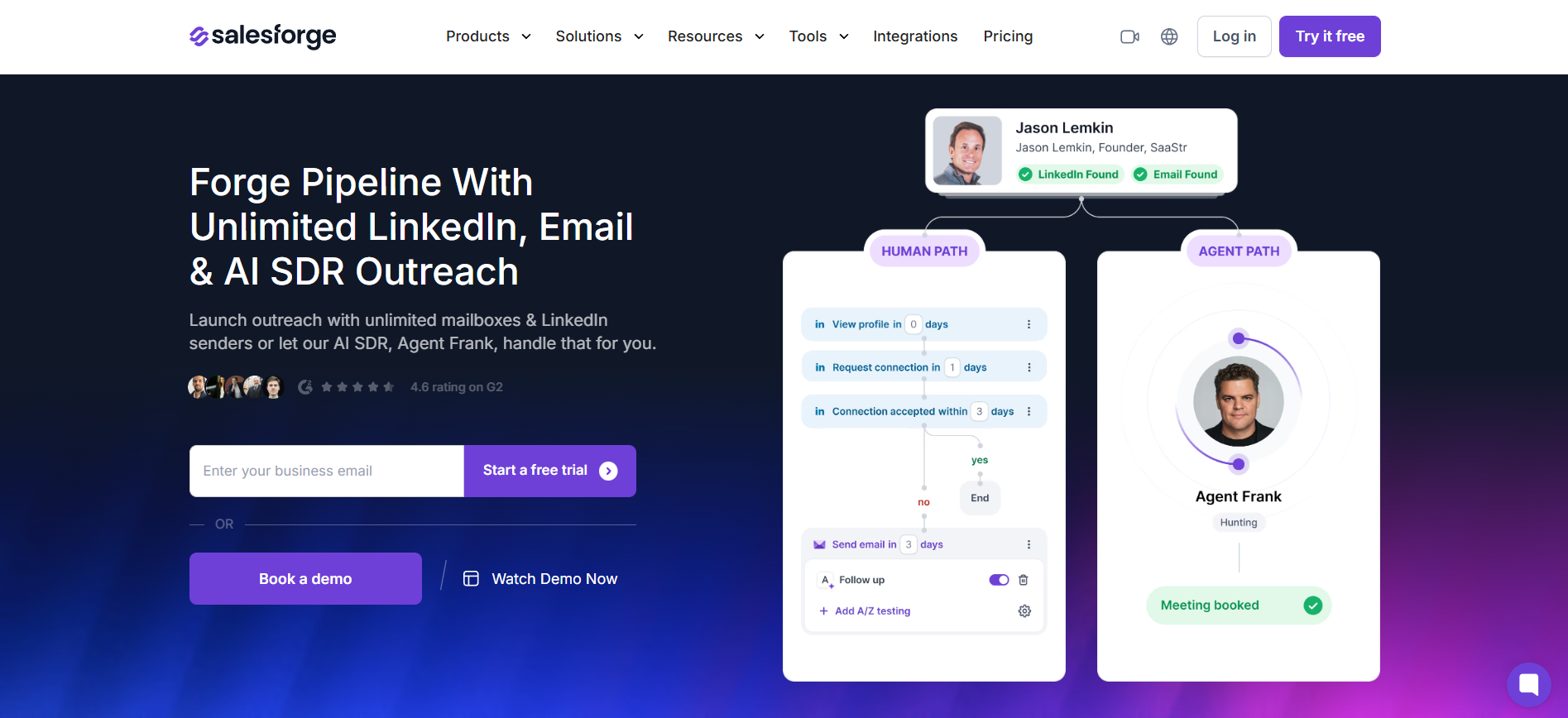
What I like most about Salesforge as an alternative to ReachInbox is that the entire Forge Stack is built around the exact deliverability problems that break ReachInbox users.
You get Mailforge or Infraforge for infrastructure, Warmforge for warmup and placement testing, and Leadsforge for prospecting, all under one login.
You also get Agent Frank, the in-house AI SDR that can run prospecting and outreach end to end for teams that want to scale without hiring more headcount. None of that exists on ReachInbox in any real form.
You can also check out my full Salesforge review if you want the hands-on breakdown of how it holds up over two weeks of testing.
Next up on my list of the best ReachInbox competitors is Smartlead, which is the alternative I recommend when the reader is running an agency or managing outbound for multiple clients.
Smartlead is built around agency workflows in a way that ReachInbox simply is not. You get client workspaces, a master inbox that consolidates replies across every campaign, white-label reporting on the higher tiers, and unlimited mailboxes on every plan starting at $32.50 per month billed annually.

What I like about Smartlead as a ReachInbox alternative is the depth of the deliverability tooling.
Smartlead runs SmartDelivery for inbox placement data, an ultra premium warmup pool for reputation building, and safety systems that automatically pause sending if bounce rates spike. That kind of deliverability infrastructure is exactly what ReachInbox users complain about missing.
If you want a deeper look at how Smartlead's warmup actually performs, I break it down in my Smartlead email warmup review.
Another strong ReachInbox alternative worth considering is Instantly, which stands out for one reason above all others. The warmup network runs on over 1 million real email accounts, which is dramatically larger than the warmup pool ReachInbox operates.
If the "warmup silently stopped working" pattern in ReachInbox reviews is what pushed you to search for an alternative, Instantly is the ReachInbox competitor that directly solves that pain.
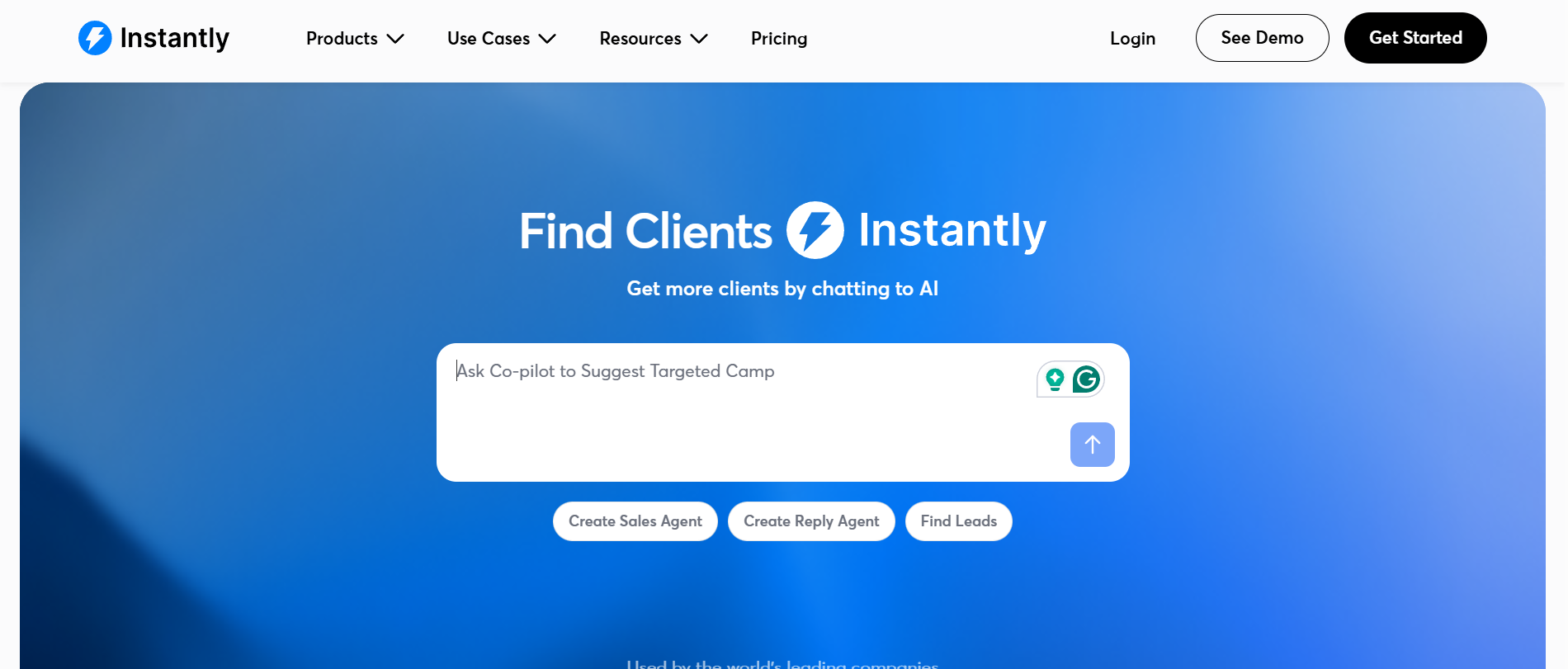
What I like about Instantly as a ReachInbox alternative is that it also offers unlimited email accounts and unlimited warmup on every standalone outreach plan, starting at $47 per month.
You also get a Unibox for reply management, a 450M+ B2B lead database bundled into the higher tiers, and an AI Sales Agent for autonomous outreach. It is a solid volume-focused ReachInbox competitor if pure email sending is your main workflow.
For a closer look at how Instantly's warmup holds up under real conditions, my Instantly email warmup review breaks it down inbox by inbox.
If pricing predictability is your main frustration with ReachInbox, Woodpecker is the ReachInbox alternative I would point you to.
Woodpecker uses a usage-based pricing model starting at $7 per 100 contacted prospects, which is fundamentally different from ReachInbox's tiered plans. You pay only for the prospects you actually reach, and unlimited team members plus unlimited email accounts come standard on every plan.
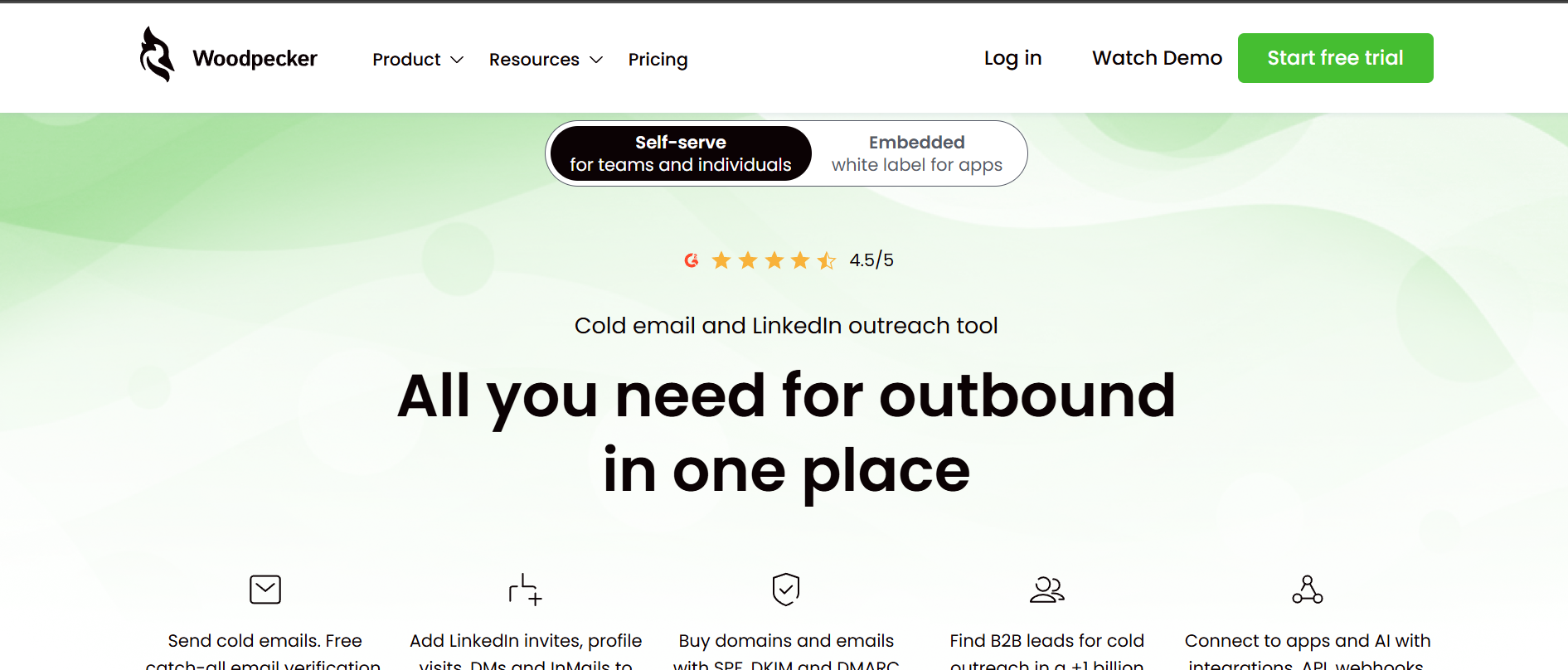
What I like about Woodpecker as an alternative to ReachInbox is the deliverability-first philosophy baked into the product.
You get adaptive sending that throttles automatically to protect reputation, inbox rotation to spread load across mailboxes, and a free warmup layer with four warmups per month included. It is a more conservative sender than Instantly, but that conservatism is exactly what smaller teams want when they are burned out by ReachInbox reliability issues.
For a broader look at how Woodpecker fits into the overall cold email software landscape in 2026, my cold email software breakdown puts it head to head against the other top tools.
I want to be upfront about Apollo here. Apollo is not a pure ReachInbox alternative in the strict sense, because Apollo is fundamentally a lead database and sales engagement platform, not a cold email tool with a database bolted on.
But if the real reason you are frustrated with ReachInbox is that finding good prospects is harder than sending emails, Apollo becomes the stronger ReachInbox competitor to consider.
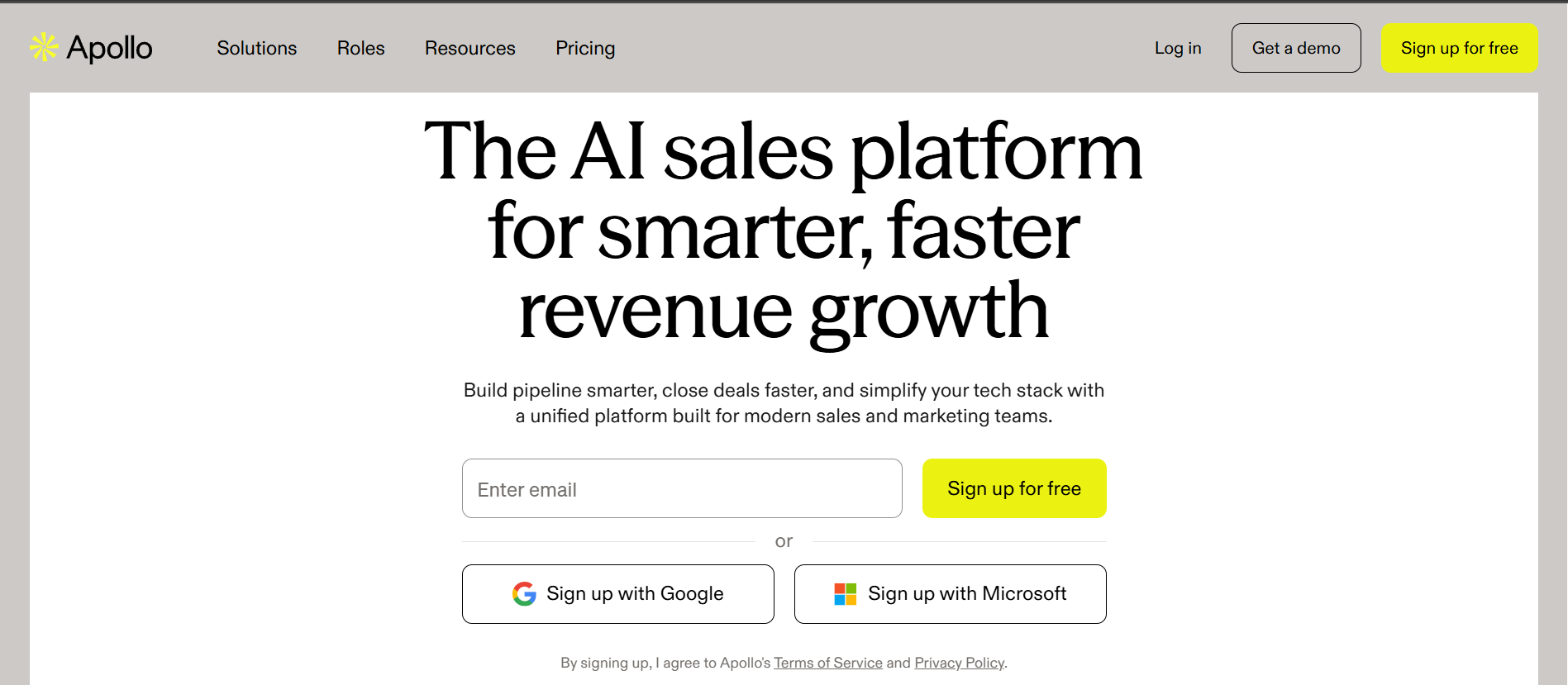
What I like about Apollo as an alternative to ReachInbox is the 240M+ verified B2B contact database, which is orders of magnitude larger than what ReachInbox offers through its own lead finder.
You also get 30M+ company profiles, sales engagement tooling, conversation intelligence, and Apollo MCP for connecting AI assistants like Claude directly to your prospecting workflow. It is a broader platform than ReachInbox, and the trade-off is that the deliverability tooling is thinner.
Rounding out my list of the best ReachInbox competitors is Saleshandy, which is the cheapest serious ReachInbox alternative in 2026.
Saleshandy starts at $25 per month billed annually with unlimited email accounts on every Outreach plan, plus a real multichannel workflow that covers email, calls, LinkedIn, and WhatsApp in the same sequence. If budget is the primary filter and you still need a full outbound platform, Saleshandy is worth a look.
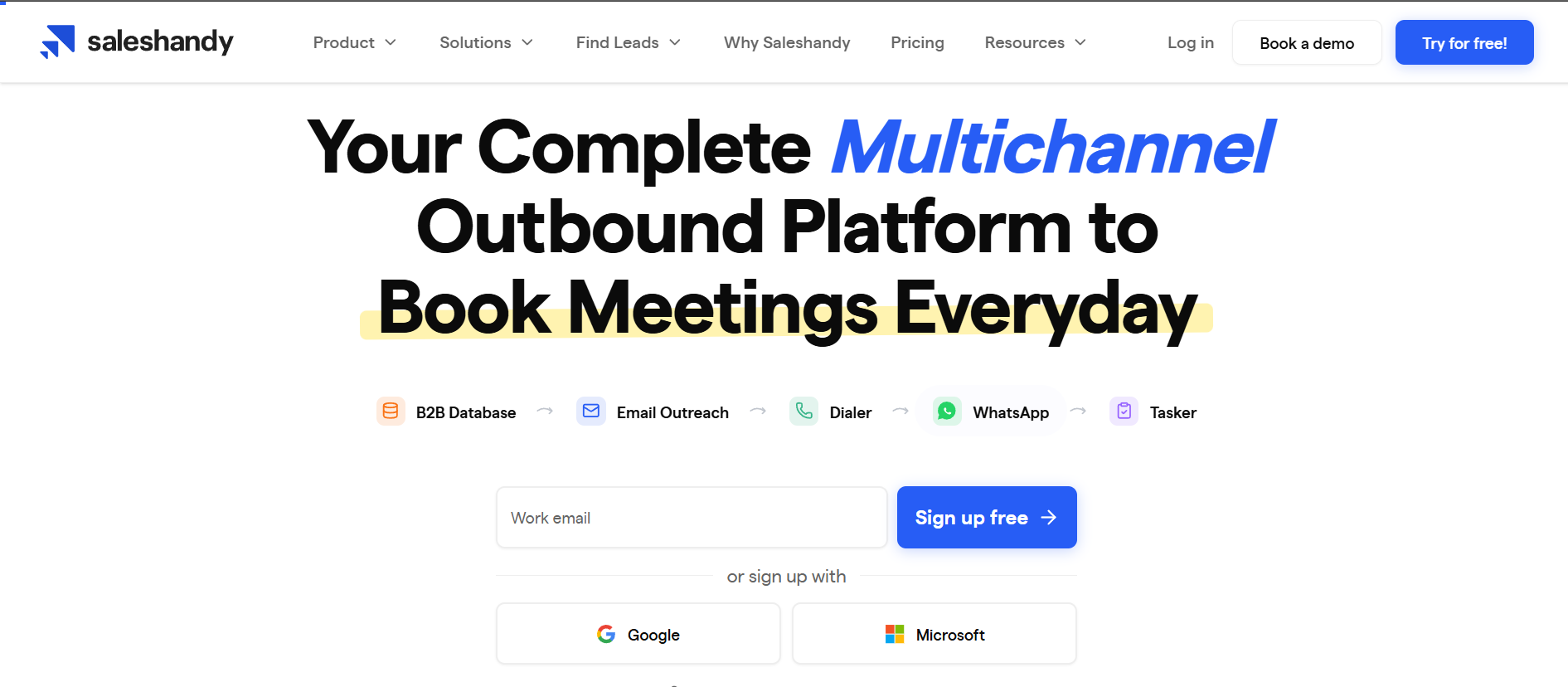
What I like about Saleshandy as a ReachInbox alternative is the 852M+ B2B contact database that comes bundled with the platform, which is the largest lead database in this comparison. You also get a proper deliverability stack, warmup included, and a native mobile app that ReachInbox does not offer. The value at the entry tier is genuinely hard to beat.
For the wider view on how Saleshandy stacks up against other volume-focused cold email tools, my email sending tools breakdown covers the full picture.
If I had to pick one ReachInbox alternative to recommend across the board, it would be Salesforge.
It fixes every major ReachInbox pain point I listed at the top of this piece. You get unlimited mailboxes, flat pricing, free warmup through Warmforge, native LinkedIn automation, a unified Primebox™ inbox, and Agent Frank for teams that want to scale without hiring more SDRs.
Smartlead wins for agencies specifically, Instantly wins for pure email volume, and Apollo wins when data is the real bottleneck, but Salesforge is the ReachInbox competitor that covers the widest set of needs at a price that stays flat as you grow.
Saleshandy at $25 per month billed annually is the cheapest ReachInbox alternative with unlimited email accounts included. Woodpecker's usage-based pricing at $7 per 100 contacted prospects can also come in cheaper for smaller teams sending lower volumes.
Smartlead is the best ReachInbox competitor for agencies, with client workspaces, a master inbox, and white-label reporting starting at $32.50 per month billed annually. Salesforge is a close second, with unlimited workspaces and no per-seat pricing that keeps costs predictable at scale.
Yes. Salesforge is the ReachInbox alternative I recommend most often because it fixes the specific ReachInbox pain points directly. You get unlimited mailboxes, free unlimited warmup through Warmforge, native LinkedIn automation, and flat pricing that does not cliff at every tier upgrade.
Most teams complete a full ReachInbox migration in three to five business days. The main bottleneck is rebuilding sequence logic, because no ReachInbox competitor imports ReachInbox campaigns directly. Export your contact lists first, suppress historical bounces separately, and let new mailboxes warm up for 48 to 72 hours before sending live.
Apollo works as a ReachInbox alternative if your bigger bottleneck is finding good prospects rather than sending emails. The 240M+ verified contact database and waterfall enrichment are stronger than what ReachInbox offers, but the deliverability tooling is thinner. For a pure sender replacement, Salesforge or Instantly is a better fit.
Apollo has a free Starter plan with limited search credits, which makes it the most usable free ReachInbox alternative for testing purposes. For actually running cold email at scale, plan on a paid tier from Salesforge, Smartlead, or Instantly.