11x made a big promise: give your sales team AI workers that can prospect, reach out to buyers, and help fill your pipeline without adding more SDRs.
On paper, that sounds like exactly what a growing sales team needs.
But once you start running outbound at scale, another question becomes important: How much control do you actually have over the emails you're sending?
Because getting an AI to find prospects and write emails is one thing. Making sure those emails reach the inbox, managing sending infrastructure, and keeping campaigns running over time is another.
That's where the search for 11x alternatives gets interesting.
If you're looking beyond 11x, you probably don't just want another AI SDR that can automate prospecting. You want something that can help you find the right prospects, run campaigns reliably, and give you more control over how your outbound works.
I've looked at six alternatives that take different approaches to AI-powered sales development. Some focus on autonomous prospecting, others combine AI with traditional outbound tools, and a few put more emphasis on email infrastructure and deliverability.
I'll compare them based on what actually matters when you're choosing an AI SDR:
Let's look at what each one brings to the table.
Here is how the six tools stack up on the criteria that decide fit. Text markers show Yes, Partial, or No, with a concrete detail after each.
Six tools made the list. Salesforge with Agent Frank takes the top spot for a specific reason I will explain first; then five alternatives follow with honest fit notes for each.
Agent Frank is the best 11x alternative because he handles the full outbound workflow the way a strong SDR would. And Salesforge lets you decide how much of that work stays under your control.
The difference between Frank and Alice comes down to how the two agents actually run. Alice was built to send emails at volume, and once she was live, you were mostly a spectator.
Frank runs the whole cycle from researching each account through booking the meeting. But he lets you choose how much of it happens without your review.
That choice lives in the Auto-Pilot and Co-Pilot modes. In Auto-Pilot, Frank runs the workflow without asking you to approve anything, which is what most teams migrating off 11x actually want. In Co-Pilot, he still does the work, but every message waits for your sign-off before it goes out.
That toggle solves the problem most teams hit the first time they try an autonomous SDR. You find out what the agent said before a prospect replies, not after.

Frank is also more useful in a global sales org than most AI SDRs on the market. He writes natively in over 20 languages and gives you 9 tonalities to choose from per campaign. So the same agent can run German enterprise outreach and Brazilian mid-market outreach without separate translators in the background.
The feature that actually made me take Frank seriously is the Knowledge Base. Before he sends anything, you upload your product documentation, case studies, and pitch materials. Frank then pulls from that context every time he writes.
The result is that Frank does not guess at pricing or invent integrations that do not exist. He references what you actually sell. So when a prospect fires back with a real question, the reply is grounded in your product rather than a hallucinated feature.
Because Frank runs on top of Salesforge, the sending side stays stable as you scale. He is not a bolted-on standalone agent that leaves the sending infrastructure for you to solve.
You get unlimited mailboxes and unlimited LinkedIn senders on every plan. So adding a rep or another market never triggers a per-seat pricing jump. Every reply from every channel lands in Primebox™, so reply management does not fall behind when Frank starts booking meetings at scale.
Key features I liked:
Bonus read: If you want the full day-by-day teardown of the platform Frank sits inside, my Salesforge review covers the setup, the interface quirks, and how Agent Frank actually performed in testing.
Pricing:
Another 11x alternative worth putting on your shortlist is Artisan, and the one detail that sets it apart is how Ava sends. She uses your reps' names and your own sending domains, so outreach reads as if it came from a human on your team.
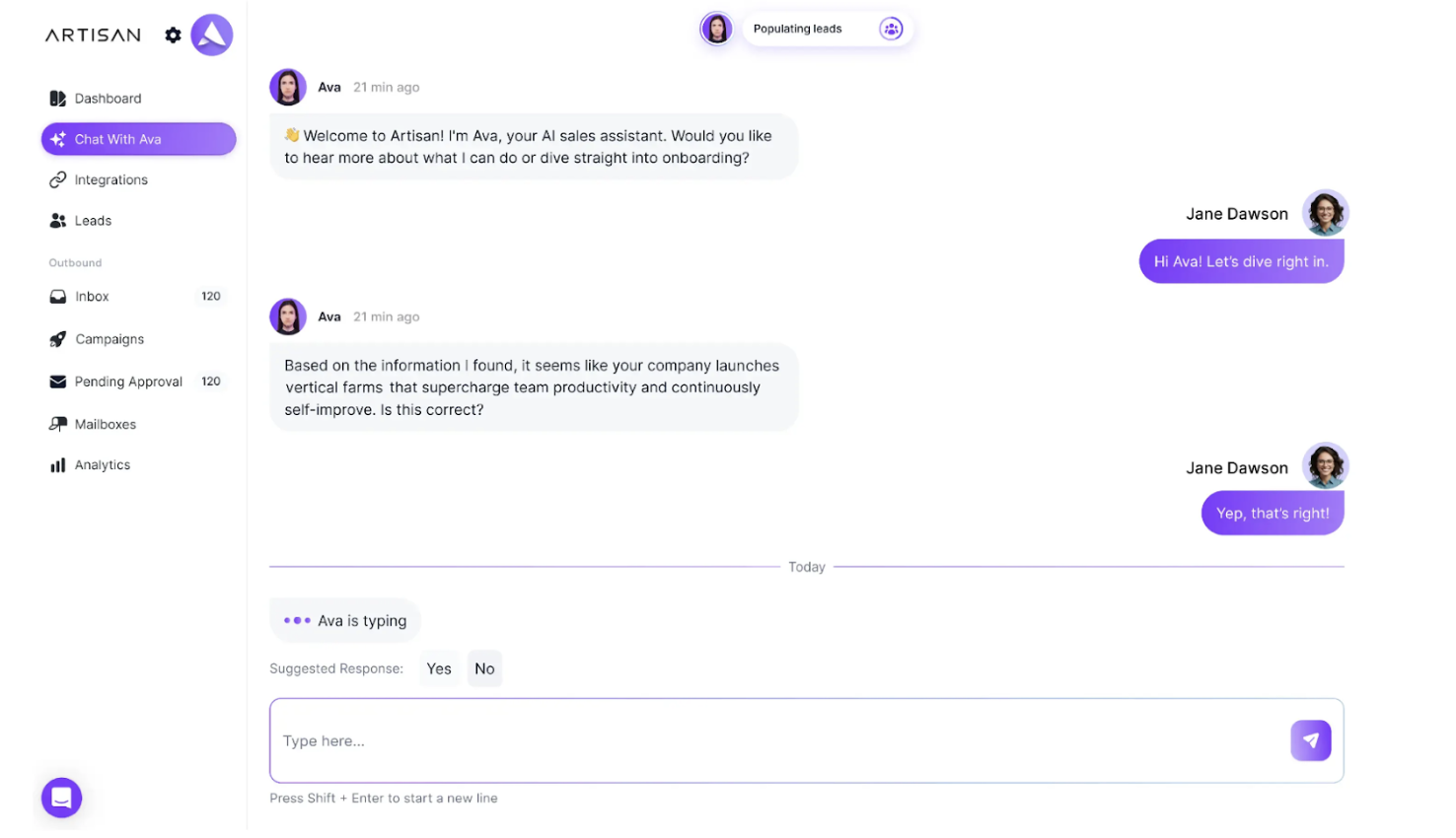
The pitch is that you replace the manual prospecting work without prospects ever knowing an AI touched the message. That framing has landed with SaaStr, SumUp, and CookUnity, who all show up in Artisan's case studies.
And what I keep flagging is what the pricing page does not say. Every plan on artisan.co is gated behind a "Talk to sales" CTA, with zero published rate card. So if you are comparing total cost against 11x, you are going into that conversation blind.
Key features I liked:
Pricing:
Next up is AiSDR, and it almost lost me at the pricing page. They charge $250 to $2,500 per month with quarterly payment upfront and no free trial. Then I read their "not a fit" list, and it pulled me back in.
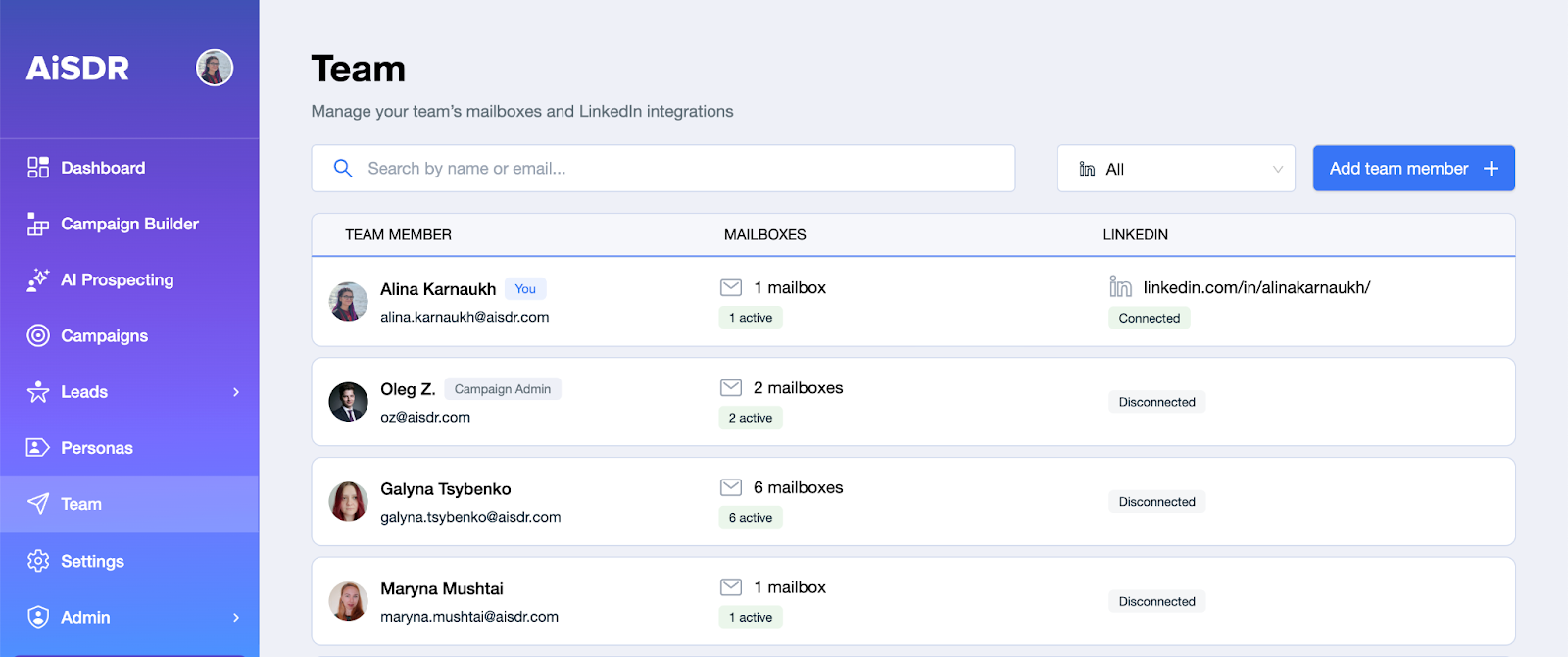
AiSDR is one of the few tools in this category that publishes an actual anti-ICP. They openly say their tool is not for teams who want to blast their entire TAM to see what sticks, or who measure success in emails sent. That level of honesty is rare in this category. AiSDR's whole pitch is meetings that show up, not activity numbers you can screenshot for your CEO.
Key features I liked:
Pricing:
The next solid alternative to 11x on my list is Apollo.io.
If your outbound is falling apart because you are duct-taping five tools together to do what one should, Apollo is the answer most teams land on. It replaces your data provider, outreach platform, dialer, enrichment, and CRM in a single workspace.
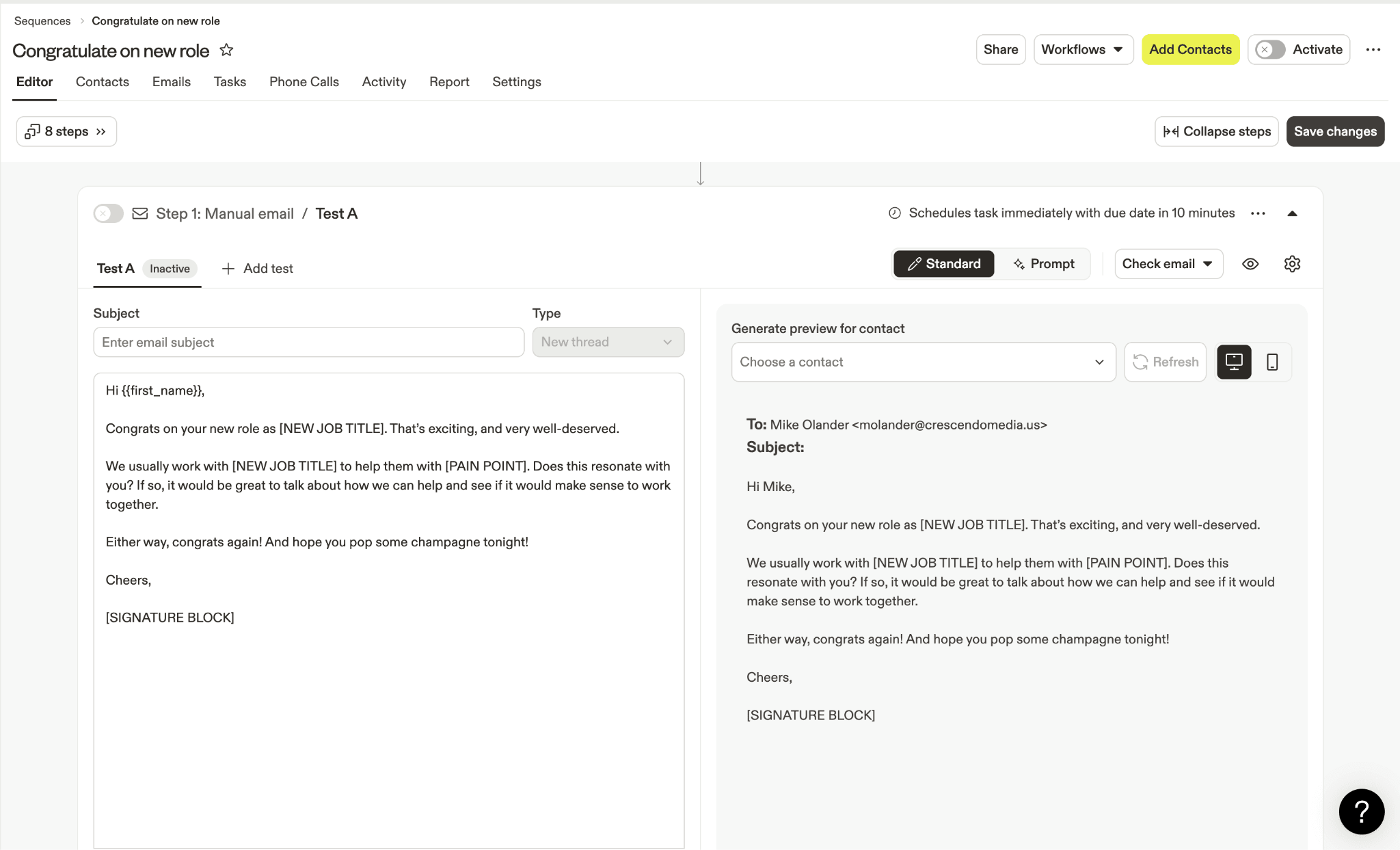
The consolidation math is why Apollo.io shows up almost every time on the internet. You get 240M+ contacts, 30M+ companies, sequencing, warm-up, and dialing under one login.
And what Apollo is not, which matters when you are comparing against 11x, is a true autonomous AI SDR. The AI here assists reps with research, message drafting, and call prep. It does not replace them. So if you were hiring 11x specifically to cut headcount, Apollo is a different fit.
Key features I liked:
Bonus read: If you have been using Apollo for warm-up and want something more focused, I compared five options in my Apollo email warm-up alternatives roundup.
Pricing:
Another 11x.ai alternative on my list is Regie.ai, and it takes a very different approach to the interface than everyone else.
Where Salesforge builds around Agent Frank as a named teammate, Regie.ai builds around RegieGO, a chat-first workspace. You prompt Regie once, and the agent handles sourcing, ranking, call prep, and follow-ups from that single conversation.
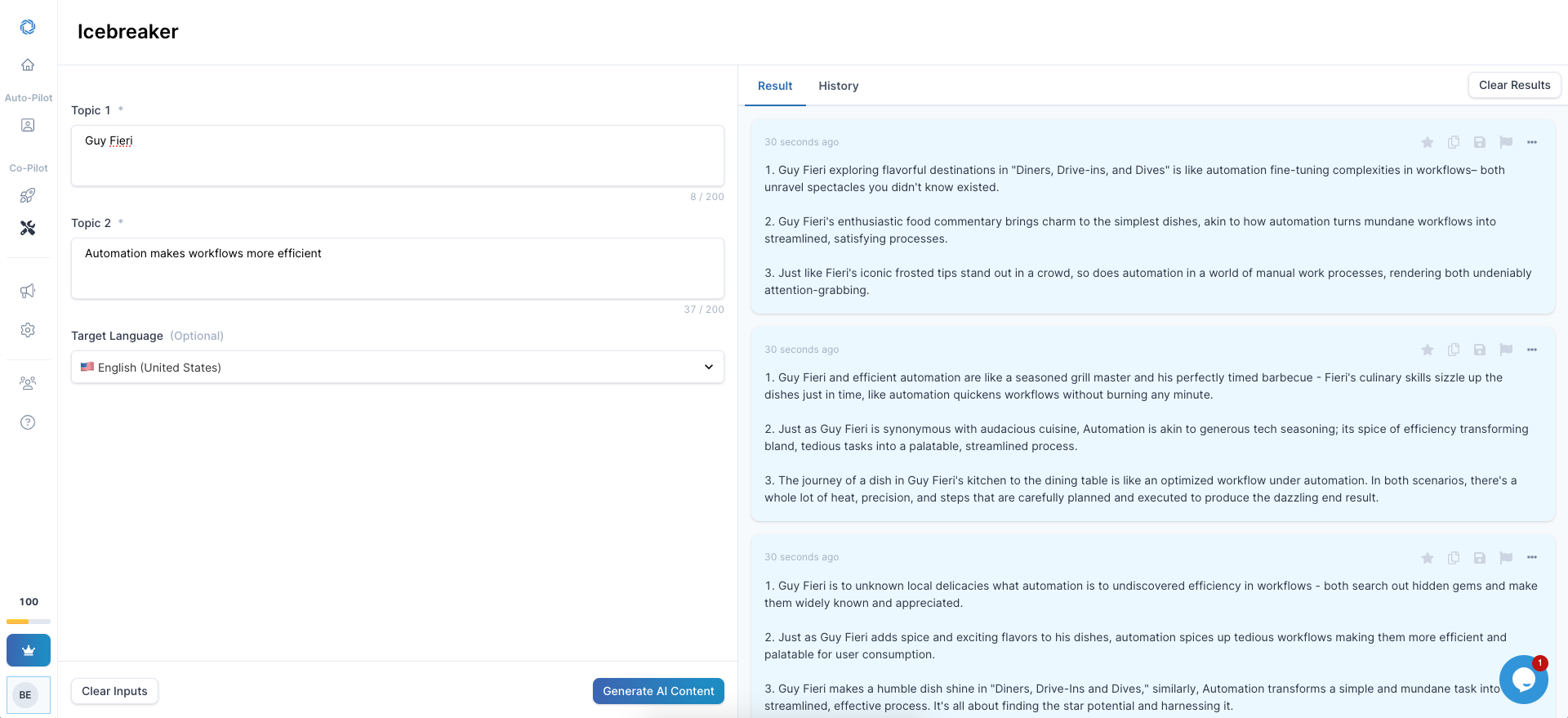
The interface choice is unlike anything else on this list. Regie treats outbound like a conversation you have with an AI operator rather than a set of dashboards you configure.
That model works well for sellers who want to delegate the boring parts and stay in one screen.
But what is missing from the public site is any deliverability detail. Regie tells you to send from your own Gmail or Outlook and publishes nothing onwarm-upp, IP reputation, or mailbox provisioning. So for a team migrating off 11x specifically because of inbox collapse, that gap deserves a hard question in the demo.
Key features I liked:
Pricing:
The last 11thx competitor on this list is Clay, and it needs a caveat before I get into it.
Clay is not an autonomous AI SDR. It is GTM data and workflow infrastructure that GTM engineers build on.
Clay does not send LinkedIn messages, does not manage replies, and does not book meetings on your behalf. What it does, and does better than anything else in this space, is manage data across providers.
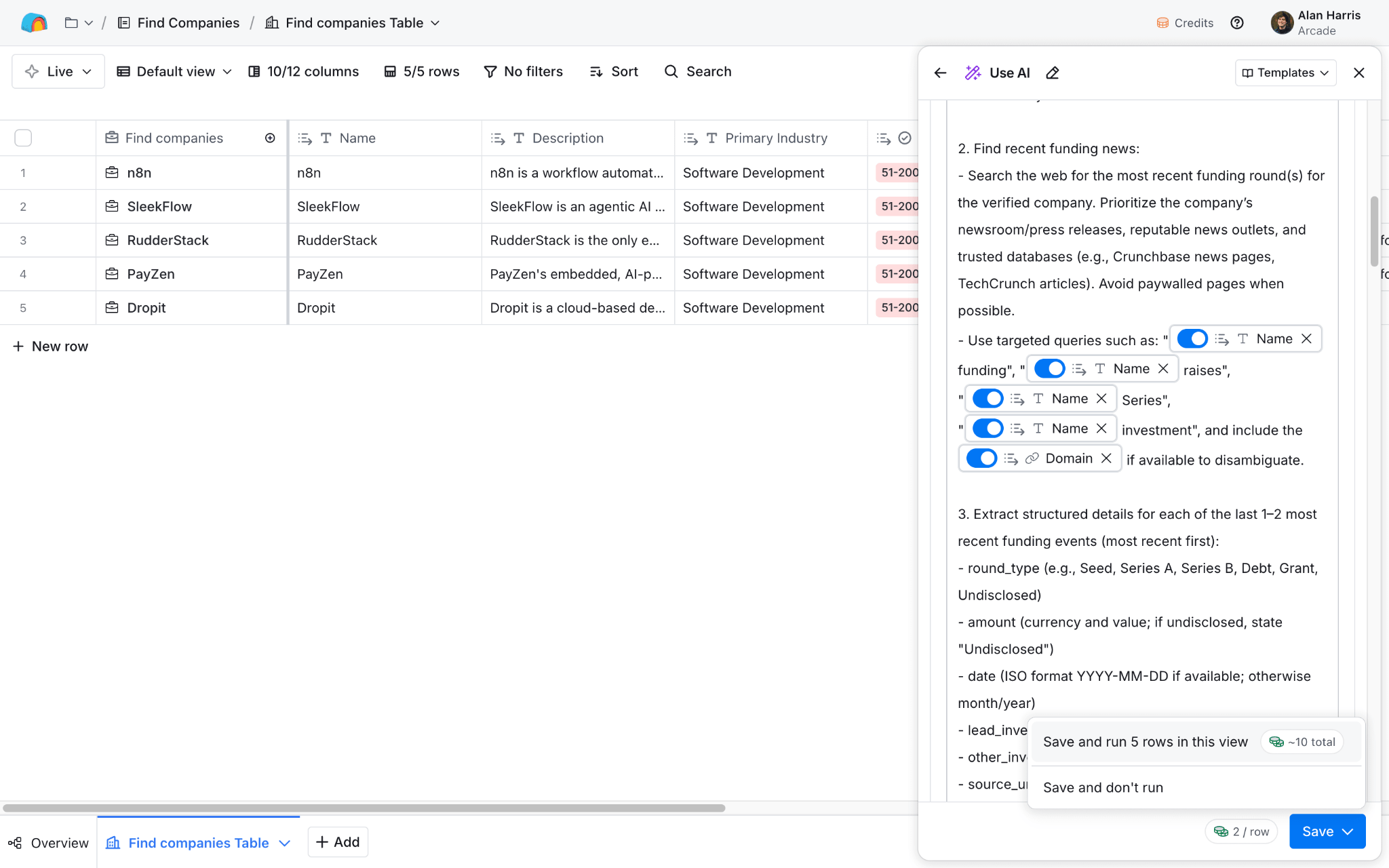
You buy contact data from 150+ providers through Clay's marketplace on one contract, run waterfall enrichment across the whole set, and pipe the results into whatever sending tool you actually use.
So if you are looking for an 11x replacement to run outbound end-to-end, Clay is not that tool. But if you are looking to build a custom outbound stack where sending happens elsewhere and Clay handles the data and enrichment work, it is one of the strongest picks available.
Key features I liked:
Pricing:
After comparing all six, Salesforge with Agent Frank is the best 11x alternative for teams running B2B outbound in 2026.
It is the only tool on this list that ships an autonomous AI SDR, unlimited mailboxes, warm-up, and infrastructure choice under one platform. Where 11x sold the AI dream and left deliverability as somebody else's problem, Agent Frank runs on the Forge Stack from day one. And that changes everything about how sustainable the sending is past month three.
Artisan is stronger if enterprise security posture matters most. AiSDR is stronger if you want a self-qualifying "not a fit" list before buying. Apollo wins if you are consolidating five tools into one and are okay with AI-assisted rather than autonomous. Clay wins if you are building a custom stack where sending lives elsewhere.
But if you are coming off 11x because the AI worked and the sending did not, book a demo of Agent Frank and see how the infrastructure changes the outcome.
The six best 11x alternatives in 2026 are Salesforge with Agent Frank, Artisan, AiSDR, Apollo.io, Regie.ai, and Clay. Salesforge takes the top spot because it is the only tool that combines an autonomous AI SDR with bundled warm-up, unlimited mailboxes, and infrastructure choice under one platform.
Most AI SDR tools ship the AI part without owning the sending infrastructure. They rely on the user to bring warmed mailboxes and manage sender reputation, and the AI just increases sending volume on top of an unmanaged setup. That combination burns domains fast, which is why deliverability collapse shows up around month three for many teams.
Regie.ai and Clay both have real free-forever tiers, and Apollo.io has a free plan with 900 annual credits. On paid tiers, Regie.ai Pro at $49/month is the cheapest published entry point, followed by Apollo Basic at $49/seat/month. Salesforge Pro at $40/month is the cheapest starting price if you use the platform without Agent Frank.
An autonomous AI SDR like Agent Frank or Artisan's Ava can replace the repetitive parts of the SDR role, which are prospecting, writing, sending, and follow-up. What it does not replace is the human judgment on complex objections, discovery, and account strategy. Most teams use AI SDRs to scale outbound without adding headcount, not to fire existing SDRs.
Agent Frank and Alice both position themselves as autonomous AI SDRs, but the infrastructure gap is significant. Agent Frank runs on the Forge Stack with Warmforge warm-up, unlimited mailboxes, and Megaforge or Infraforge as sending options. 11x historically ran on infrastructure the user had to bring or manage separately, which is where the deliverability complaints came from. Agent Frank also offers a Co-Pilot mode for human review, which changes the risk profile if you want oversight before messages go out.
Artisan and Apollo.io have the strongest enterprise posture on this list, with named Fortune 500 customers, SOC 2 compliance, and SSO/SAML support. Salesforge scales well to mid-market and works for enterprise buyers where the ICP fits the $5K to $100K ACV range Agent Frank is built around. Clay is used by OpenAI, Anthropic, Rippling, and Figma at the GTM engineering level.